The first timeshare in the United States was started in 1974 by Caribbean International Corporation (CIC), based in Fort Lauderdale, Florida. It used what it called a 25-year vacation license rather than ownership. The business owned 2 other resorts the trip license holder could alternate their holiday weeks with: one in St.
Thomas; both in the U.S. Virgin Islands. The Virgin Islands properties began their timeshare sales in 1973. The agreement was basic and simple: The company, CIC, assured to keep and supply the specified lodging type (a studio, one bedroom, or 2 bed room unit) for usage by the "license owner" for a period of 25 years (from 1974 to 1999, for example) in the defined season and number of weeks agreed upon, with only two additional charges: a $15.
The contract had a $25. 00 changing charge, needs to the licensee choose to use their time at one of the other resorts. The agreement was based upon the fact that the cost of the license, and the small daily, compared with the forecasted increase in the cost of hotel rates over 25 years to over $100.
Between 1974 and 1999, in the United States, inflation boosted the present expense of the daily to $52. 00, confirming the expense savings presumption. The license owner was permitted to rent, or provide their week away as a present in any particular year. The only terms was that the $15 (how much is a disney timeshare).
The 5-Second Trick For How To Get Out Of Timeshare Maintenance Fees
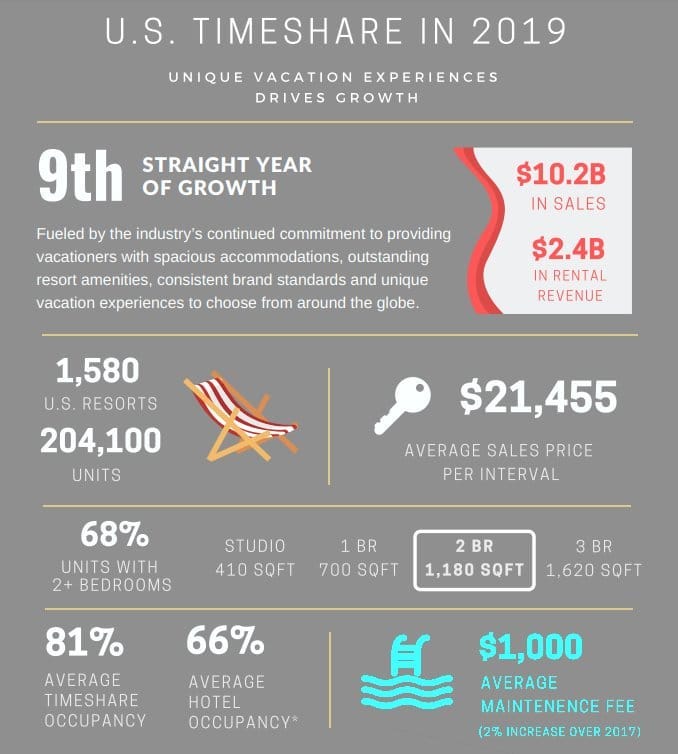
This "should be paid yearly charge" would become the roots of what is understood today as "maintenance charges", as soon as the Florida Department of Realty became involved in controling timeshares. The timeshare idea in the United States stood out of numerous entrepreneurs due to the massive revenues to be made by selling the same space 52 times to 52 various owners at a typical rate in 19741976 of $3,500.
Quickly afterwards, the Florida Realty Commission actioned in, enacting legislation to control Florida timeshares, and make them fee easy ownership transactions - what is a timeshare?. This meant that in addition to the rate of the owner's holiday week, an upkeep fee and a homeowners association needed to be started. This charge basic ownership also generated timeshare location exchange business, such as Period International and https://pbase.com/topics/solenaqef4/moreabou571 RCI, so owners in any provided area might exchange their week with owners in other areas.
The market is managed in all countries where resorts lie. In Europe, it is managed by European and by nationwide legislation. In 1994, the European Neighborhoods adopted "The European Directive 94/47/EC of the European Parliament and Council on the protection of purchasers in respect of certain elements of agreements connecting to the purchase of the right to use unmovable residential or commercial properties on a timeshare basis", which underwent recent review, and resulted in the adoption on the 14th of January 2009 on European Directive 2008/122/EC.
The new regulations are detailed in the Official Mexican Standard (NOM), which includes a series of official requirements and guidelines appropriate to diverse activities in Mexico. The list below institutions were included throughout the new standardization: NOM is officially called: "NOM-029-SCFI-2010, Industrial Practices and Details Requirements for the Rendering of Timeshare Service".
The Best Guide To How To Legally Get Out Of Bluegreen Timeshare
The requirements to cancel a timeshare agreement should be more practical and less difficult. NOM recognizes the personal privacy rights of timeshare customers. It is strictly forbidden for the timeshare provider to get rid of the consumer's individual info without written consent. Spoken promises must be composed and established in the initial timeshare contract.
The charges that are meant to be made to the customer must be plainly and clearing defined on the timeshare application, consisting of the subscription cost, and all extra charges (maintenance fees/exchange club costs). To make the new guidelines appropriate to anyone or entity that provides timeshares, the meaning of a timeshare company was substantially extended and clarified.
00 to $200,000. 00 Owners can: [] Use their usage time Rent their owned use Give it as a gift Contribute it to a charity (need to the charity select to accept the burden of the associated maintenance payments) Exchange internally within the exact same resort or resort group Exchange externally into countless other resorts Sell it either through conventional or online marketing, or by using a licensed broker.
Just recently, with most point systems, owners may elect to: [] Appoint their usage time to the point system to be exchanged for airline company tickets, hotels, travel packages, cruises, amusement park tickets Rather of renting all their actual usage time, lease part of their points without really getting any use time and use the remainder of the points Rent more points from either the internal exchange entity or another owner to get a bigger system, more getaway time, or to a much better place Conserve or move points from one year to another Some designers, however, might limit which of these alternatives are available at their particular properties.
How Who Has The Best Timeshare Program can Save You Time, Stress, and Money.
In lots of resorts, they can rent out their week or offer it as a present to family and friends. Used as the basis for bring in mass attract purchasing a timeshare, is the concept of owners exchanging their week, either independently or through exchange firms. The two largestoften mentioned in mediaare RCI and Period International (II), which combined, have more than 7,000 resorts.
It is most common for a resort to be associated with only one of the bigger exchange companies, although resorts with double associations are not uncommon. The timeshare resort one purchases identifies which of the exchange companies can be used to make exchanges. RCI and II charge a yearly subscription charge, and extra charges for when they find an exchange for a requesting member, and bar members from leasing weeks for which they already have actually exchanged.
Owners can exchange without requiring the turn to have an official association agreement with the business, if the resort of ownership concurs to such plans in the initial contract. Due to the guarantee of exchange, timeshares frequently sell no matter the area of their deeded resort. What is not often revealed is the distinction in trading power depending on the area, and season of the ownership.
Nevertheless, timeshares in extremely preferable locations and high season time slots are the most costly in the world, based on require normal of any greatly trafficked trip location. A person who owns a timeshare in the American desert neighborhood of Palm Springs, California in the middle of July or August will have a much reduced ability to exchange time, due to the fact that fewer pertained to a resort at a time when the temperature levels are in excess of 110 F (43 C).
Not known Facts About How Timeshare Works
With deeded agreements using the resort is typically divided into week-long increments and are sold as genuine property by means of fractional ownership. Just like any other piece of property, the owner might do whatever is preferred: use the week, lease it, give it away, leave it to heirs, or offer the week to another prospective buyer.